
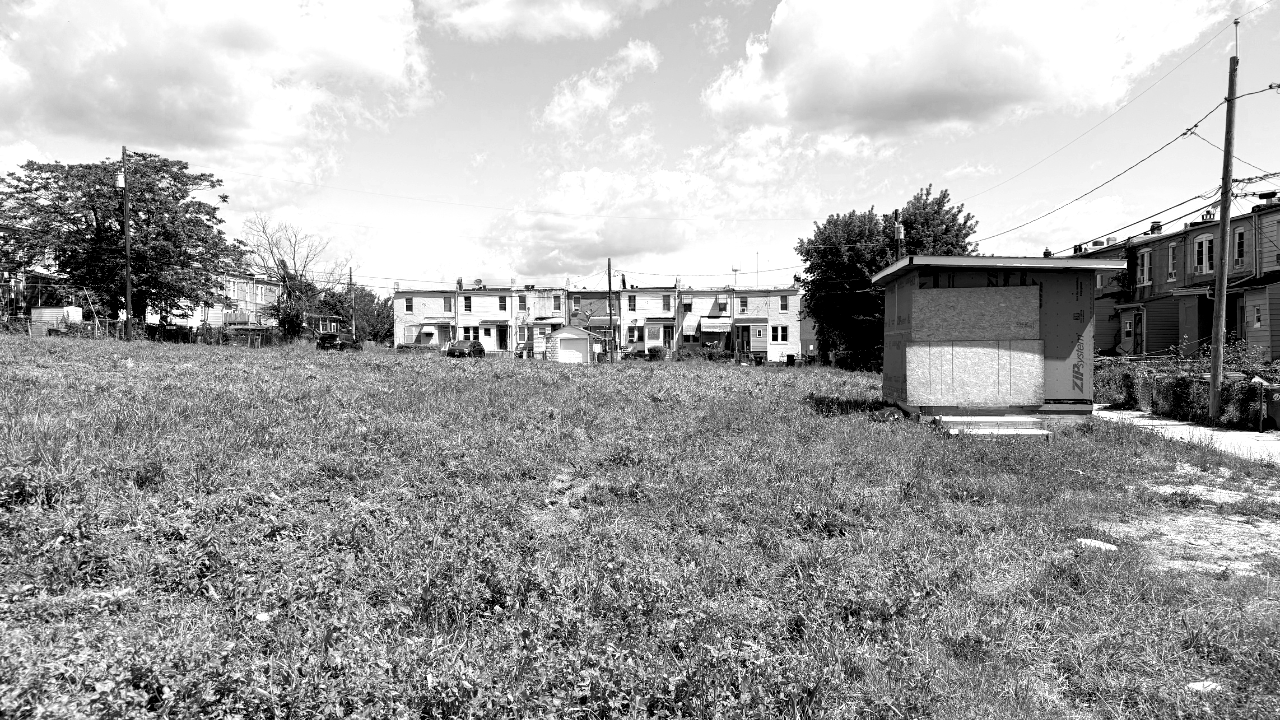
Urban Farm
The Requity Urban Farm and Community Garden is a 30,000-square-foot community space being developed on an inner block vacant land in West Baltimore. Its purpose is to create a place where neighborhood revitalization, food access, education, and workforce development come together.
Our Approach
The farm is to serve as an outdoor learning laboratory for students from nearby schools, particularly those attending Carver Vocational-Technical High School and Matthew A. Henson Elementary/Middle School.
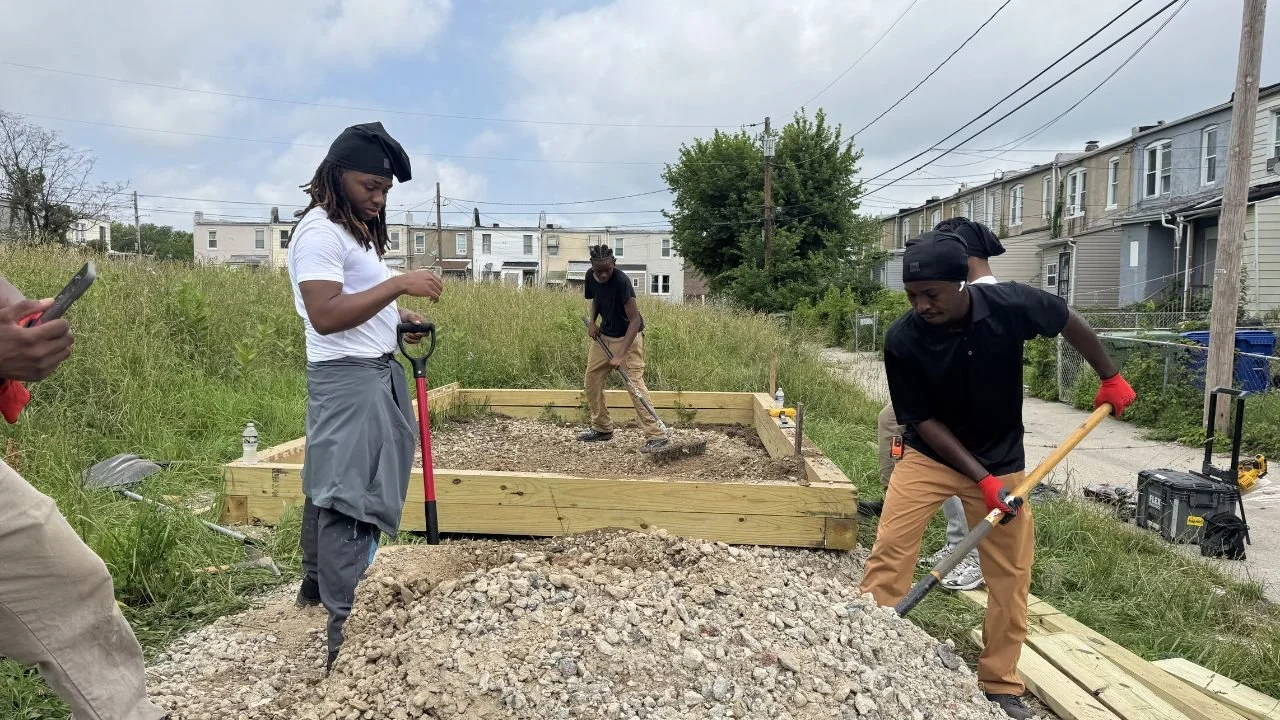
Students will participate in hands-on experiences related to urban agriculture, environmental stewardship, construction, technology, and community service while developing skills that connect to future educational and career opportunities.
Nature Sacred Community Design Initiative
Requity Foundation is honored to receive a $50,000 planning grant from the Nature Sacred to support the community-centered design of our Urban Farm and Community Garden. This initiative begins with the formation of a community-represented steering committee that will help guide visioning, planning, and engagement efforts.
Together, residents, students, partners, and stakeholders will shape a welcoming outdoor space that reflects neighborhood priorities, strengthens community connections, and creates opportunities for learning, wellness, and environmental stewardship in West Baltimore.
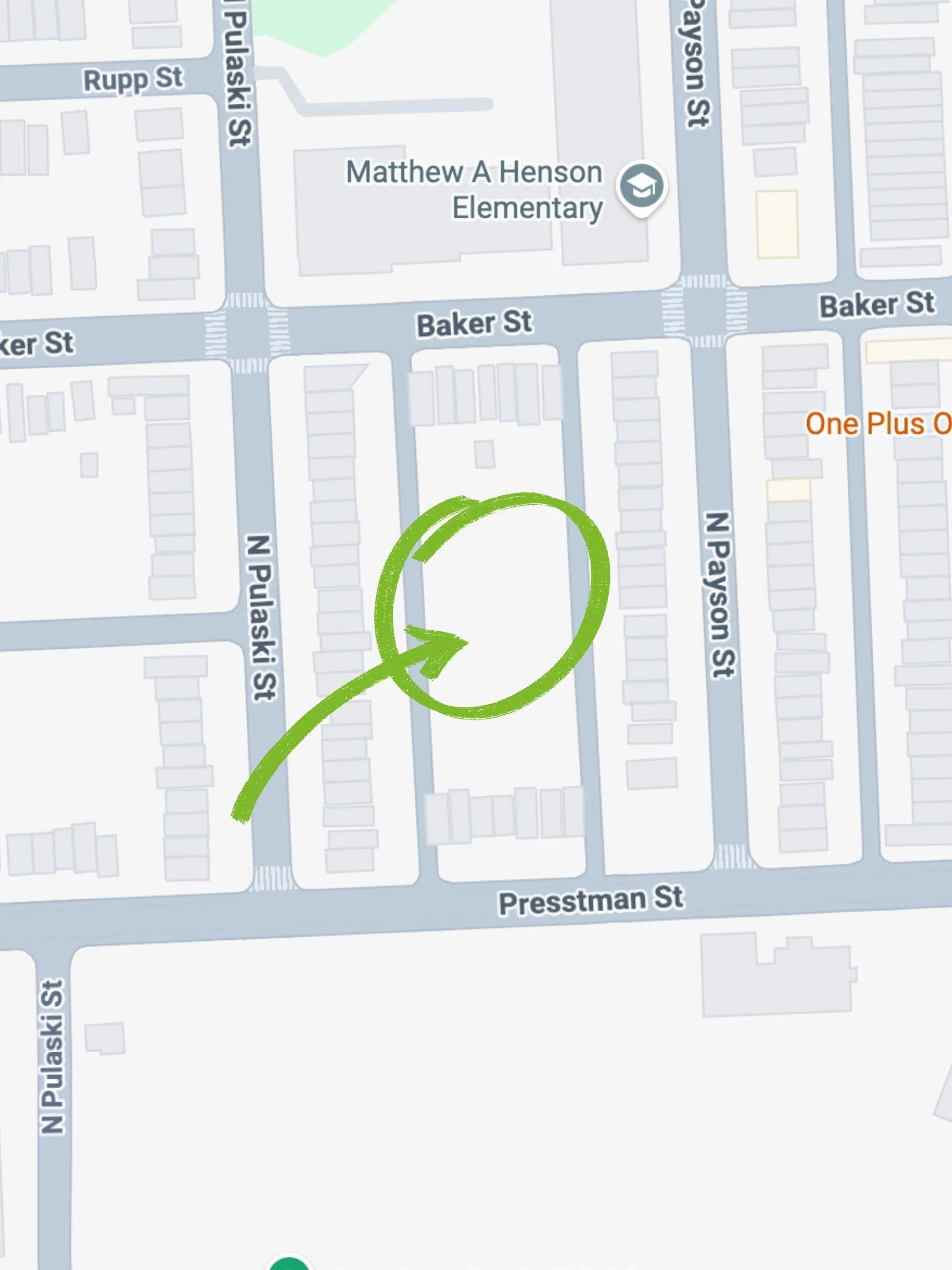
Right In the Heart of The Community
For the broader community, the Urban Farm is to be designed - with community- to transform underutilized land into a welcoming neighborhood asset that supports healthy food access, environmental sustainability, and resident engagement. It will also create opportunities for neighbors, students, and partner organizations to work together on projects that strengthen the surrounding community.
Like Requity’s housing rehabilitation projects, the Urban Farm is intended to demonstrate how vacant land can be transformed into an asset that benefits both people and place—providing practical learning opportunities for young people while helping build a healthier, more connected neighborhood.
-
“That's really the beauty of urban agriculture: it's happening where you live. You don't have to go there and see it. It's right here at your front door.”
—Denzel Mitchell, Black Butterfly Teaching Farm
-
90% Property Tax Credit for Urban Agriculture
A legislative incentive enacted in Baltimore City to reduce property taxes for local farmers, transforming vacant, blighted city lots into productive green spaces and community farms for at least five-year commitments.
-
“Farming wakes people up... It has a spatial impact on the neighborhood, and that intersection of place and embodied practice in agriculture is what can really change the neighborhood.”
—Jennifer Goold, Executive Director of the Neighborhood Design Center